Trump to Big Tech Companies: Build Your Own Power Plants
Synopsis
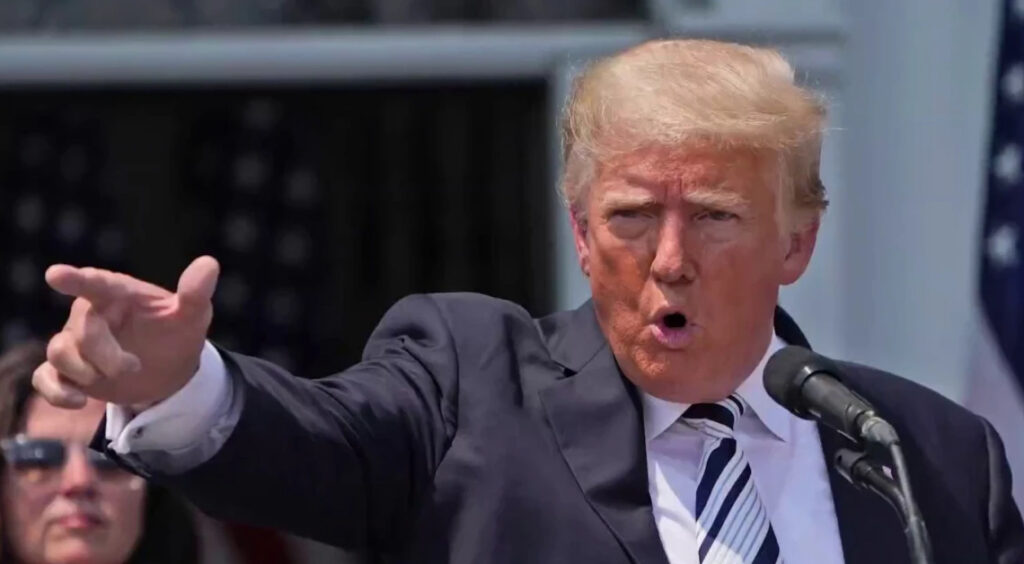
In a significant policy reversal, President Trump has ordered the largest tech firms in the nation to build their own power plants to supply energy-hungry data centres. The President believes affluent corporations should provide their own electricity, because rapid development of artificial intelligence is straining the public power grid. While the administration aids with potential tax breaks and expedited permits, challenges around costs and construction timelines are already weighing on the tech sector. The directive is designed to protect American energy in the future while ensuring the tech industry can keep growing without affecting regular people's power supply
President Trump has ordered big tech to construct their own power plants for data centres. The President makes the case that the national grid shouldn’t be shouldering the huge energy requirements of AI technology. The government might offer tax incentives to assist with the costs that worry many tech leaders about building energy infrastructure, which could be complicated.
Key Highlights
- President Trump has asked big tech companies to build their own power plants
- Big companies like Google and Microsoft are already consuming huge amounts of power
- Officials say the national grid cannot survive the growing demand for AI
- Companies that create their own energy supply would receive federal tax breaks
- Tech leaders are worried about the costs and time required to build plants
A New Mandate for the Tech Sector
President Trump has sent a clear message to America’s largest technology companies. In a recent meeting, the President said Microsoft and Amazon have to start building their own power plants. The measure is part of a bid to shield the national electricity grid from the huge energy demands of artificial intelligence and data centres. The administration feels that these wealthy companies should be paying for their fuel, not public resources. Under this policy, the government will now be looking to the private sector to manage its own infrastructure fundamentally.
Mounting Pressure on the National Power Grid
Energy experts have been warning for months that the explosive growth of AI technology is creating a dangerous strain on the American power system. Data centres need a steady supply of electricity, which many local power companies are struggling to provide. By compelling tech giants to construct their own plants, the President aims to avert blackouts and maintain low energy rates for ordinary families. Government officials say the current rate of tech growth is outpacing what the grid could handle without significant changes. This new plan aims to solve the problem by having the largest energy users generate their own supply.
Corporate Energy: Incentives and Support
To assist with this transition the White House is mulling new financial incentives for the technology industry. Those might be special tax breaks or faster approval of permits for companies that build nuclear or natural gas plants. These private power sources would help tech firms to grow even faster, he suggested, without having to wait for local utilities to catch up. Some officials now believe this could birth a new era of corporate energy, one in which companies are completely self-sufficient. It aims to guide the United States toward becoming a worldwide superpower in energy production and cutting-edge technology.
While the plan is ambitious, many tech leaders are concerned about practical issues like building power plants. Building a new energy plant can take years and cost billions of dollars. Some executives have noted that their core expertise is in software and hardware, not energy production. There are long-simmering worries about how these private plants would impact local environments and the safety of nearby communities. Faced with these obstacles the President remains resolute that the tech industry has both the funds and ability to achieve this.
Impact on Global AI Competition
The administration sees this plan for clean energy as a central element of staying ahead of global competitors like China. So giving American tech companies unlimited power, the President thinks, is how America can win the race to AI dominance. He has said that no company should cite a lack of electricity as an excuse to cease innovating. The proposal is expected to spur hundreds of thousands of new jobs in construction and energy over the next 10 years. Now all while the world observes these tech giants will need to make a call on how they balance their digital ambitions with their new energy ones.
Future Outlook for American Energy
This order is only one part of a broader effort to revamp the energy system in this country. The president has also made clear that he wants the United States to have the cheapest and most reliable power in the world. If tech companies do manage to build their own plants it could free up scads of electricity for other industries and homes. This plan has the potential to change how large corporations operate, for much of the next decade. For now, the spotlight remains on whether these tech companies can rise to meet the challenge of becoming their own utility providers.
Follow Inspirepreneur Magazine for the breaking news.

At Inspirepreneurs Magazine, covering entrepreneurship, business failures, and the human stories behind the world's most ambitious founders. She writes at the intersection of strategy and storytelling.