


Nationwide AusAlert Test Set for Monday Ahead of October Launch

Synopsis
Authorities will test Australia's new emergency alert system, which can send warnings directly to compatible mobile phones during crises.
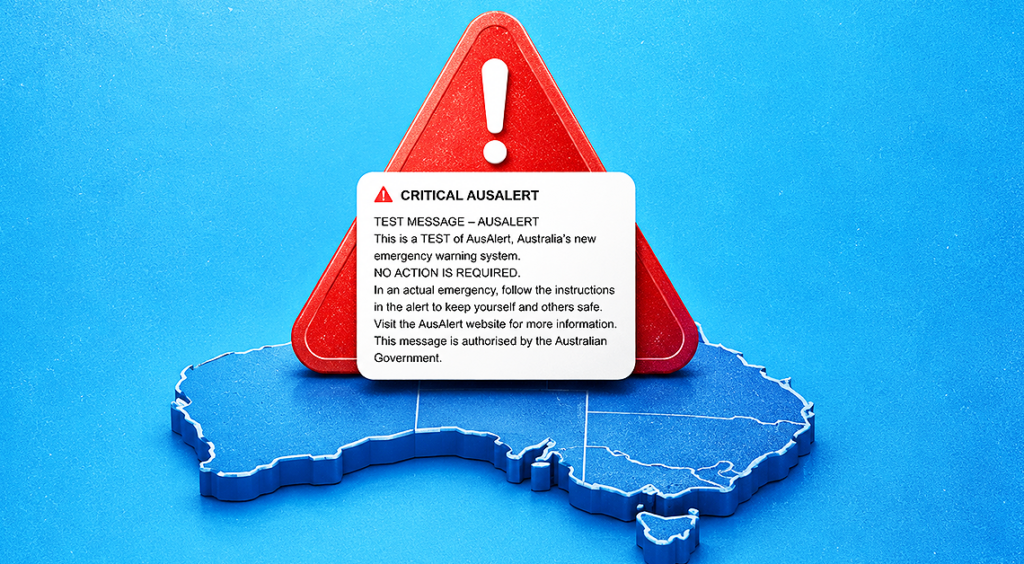
Australia is set to hold its first national AusAlert test on Monday 27 July with a new emergency warning system being introduced to provide location-based alerts directly to compatible mobile devices.
The trial is the last regional trial before AusAlert's launch on 1 October, where emergency agencies want to improve the speed and impact of issuing public warnings during any major incident.
The test alert will be sent out nationwide at local time, and will be displayed on compatible mobile phones, tablets and smartwatches. Devices will display a message identifying the notification as a test, vibrate and emit a warning tone for around 10 seconds, even when set to silent or Do Not Disturb.
Recipients are not required to respond.
Moving Beyond SMS Alerts
Cell broadcast is a technology that lets emergency services send a single message to every device that is compatible with the technology and connected to mobile towers in a specific geographic region.
The system will not depend on a list of specific phone numbers as SMS alerts do and will remain functional when mobile networks are under heavy usage during emergencies.
The National Emergency Management Agency (NEMA) says there are over 30 countries in the world that use similar technology, including the United States, Canada, Japan, New Zealand and the United Kingdom.
Australia has gone through community trials in 9 communities, in all of its states and territories, and is now moving to a national test.
Transition to the New System
While transitioning to AusAlert, the existing Emergency Alert service (SMS and landline voice warning) will also continue.
The authorities have also urged people who depend on hidden mobile phones for personal safety to switch off or put any mobile phone covered in the test in airplane mode before the test so that the alert doesn't interfere with silent modes.
The new system will enable warnings to be issued for bushfires, floods, cyclones, severe storms and public health emergencies and other life-threatening events, giving emergency agencies another way to communicate with those in affected areas quickly.
Source: InformationAGE
Pooja Malik is a business journalist with over six years of experience covering startups, entrepreneurship, and emerging trends. She has previously worked with leading media platforms such as YourStory Media and BW BusinessWorld, where she reported on business, policy, and market developments. Currently, she serves as Editor at The Inspirepreneur Magazine, where she writes and edits stories across business, lifestyle, and travel, with a focus on clarity, accuracy, and reader relevance.


