


West Midlands Group Begins Five-Year Study to Tackle Sandy Soil Erosion
Synopsis
The grower group is leading a long-term research program to better understand sandy soils and help farmers reduce erosion risks across the Mid West region.
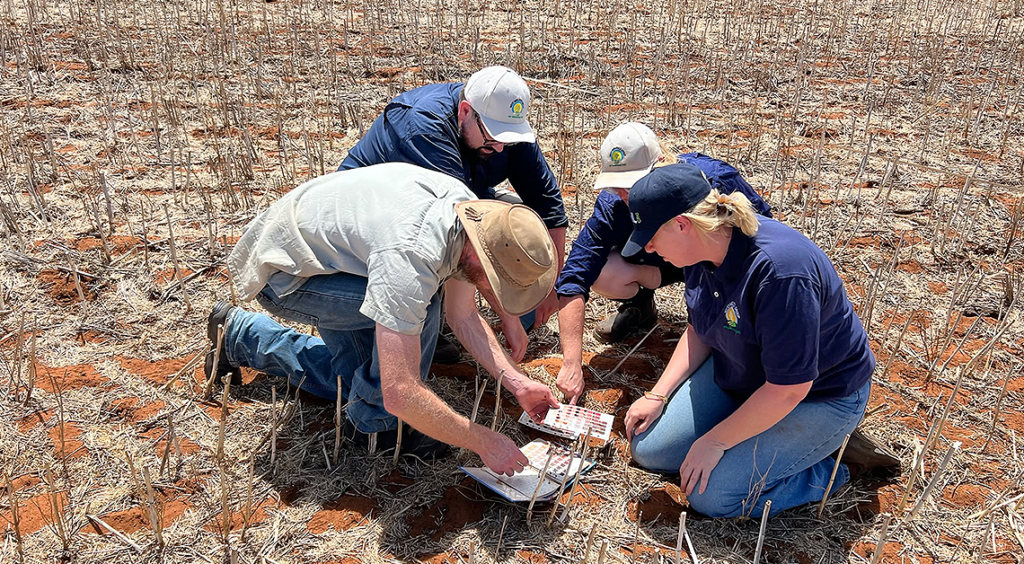
The West Midlands Group has begun a five-year-long research project to help growers better understand the risk of sandy soil erosion in Western Australia's Mid West region and to assess the practical options for managing the problem, which has long plagued the crops of the region.
It is being implemented in collaboration with the Liebe Group, Facey Group and Northern Agricultural Catchments Council (NACC). The sites will be selected in a number of grain districts and the results from the various sites will be compared to determine the effect of different soil management practices under different rainfall, soil and farming system conditions.
Research spreads out in several grainbelt areas
The study will not be based in a single location, but rather will take place across multiple locations and years. Researchers will evaluate the effectiveness of interventions which increase ground cover and increase infiltration in rainfall and which reduce the movement of sandy soils susceptible to wind erosion.
Some economic assessment is also performed along with the field measurements, providing growers with information on agronomic performance and cost of various management practices.
The Grains Research and Development Corporation (GRDC) reports that sandy soils are a common occurrence throughout Western Australia's grainbelt and also in South Australia and Victoria. Poor water-holding capacity, low nutrient retention and soil water repellence are some of the main constraints faced in crop establishment and productivity in these areas, according to its Sandy Soils of the Southern Region (2024) report.
GRDC estimates that soil water repellence impacts over 5 million hectares of cropping land in southern Australia, impacting rainfall infiltration and on affected paddocks decreasing grain yields.
Long-Term Data to Support Farm Decisions
The new study is a continuation of previous soil studies conducted by the West Midlands Group and GRDC, such as soil amelioration, nutrient management and non-wetting soils. Extended time frame is likely to reveal seasonal variation and comparisons across environments.
Other complementary research is underway by the Western Australian Department of Primary Industries and Regional Development (DPIRD) under the Sustainable Solutions for Sandy Soils program which covers the agricultural corridor between Gingin and Geraldton.
Western Australia's grain industry is still the biggest grain producing area in Australia. According to the Australian Bureau of Agricultural and Resource Economics and Sciences (ABARES), the state accounts for about 40% of the nation's wheat production in an average season, making soil management an important factor for farm productivity and export supply.
Organisms involved will be engaged in the project throughout the demonstration sites, field walks and on-farm discussions, findings will be disseminated as data becomes available during the five-year project.
Source: Countryman
Follow Inspirepreneur Magazine for daily global business news.

Pooja Malik is a business journalist with over six years of experience covering startups, entrepreneurship, and emerging trends. She has previously worked with leading media platforms such as YourStory Media and BW BusinessWorld, where she reported on business, policy, and market developments. Currently, she serves as Editor at The Inspirepreneur Magazine, where she writes and edits stories across business, lifestyle, and travel, with a focus on clarity, accuracy, and reader relevance.
You Might Also Like

Tactical Marketing Shifts: Micro-Decisions That Maximise ROI

Chayce Jones: Adelaide’s Rising AFL Utility Player
