





Australia Hikes Rates to 3.85% After Inflation Surge
Synopsis
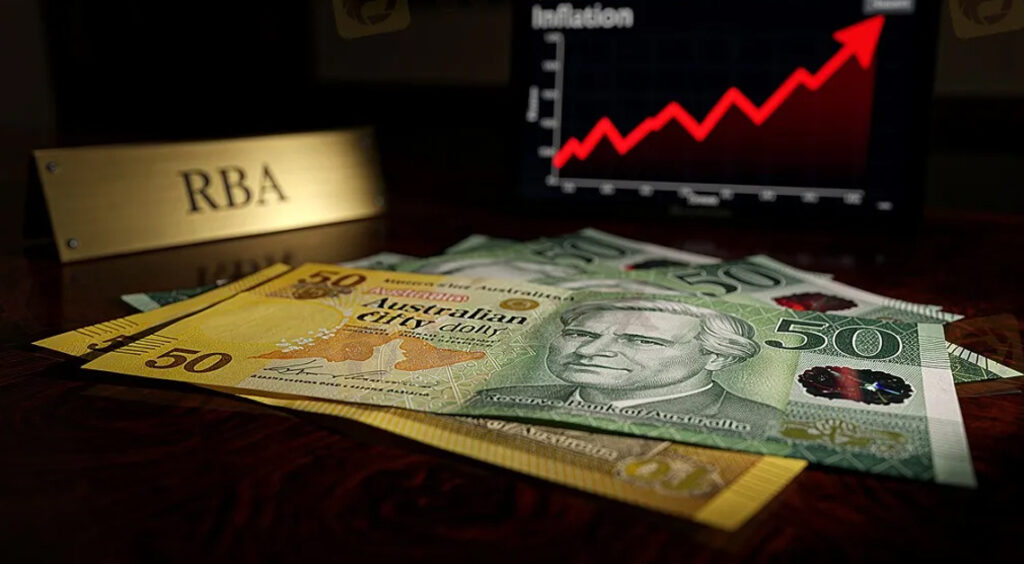
On behalf of Australians, the Reserve Bank has increased interest rates to 3.85% on Tuesday and now they’re also facing soaring mortgage repayments. It is the first increase since late 2023, when a surprise surge in inflation and a rapidly expanding economy caused it to raise its benchmark rate. RBA Governor Michele Bullock cautioned that prices are increasing too fast while the labour market is also very tight. But after all, it still covers only 10% of the almost A$3 billion in potential fines that could have been imposed on Westpac, which gives rise to a question about how transparently conduct is being regulated.
SYDNEY - The Reserve Bank of Australia (RBA) lifted interest rates for the first time in more than two years. The central bank raised the official cash rate on Tuesday by 0.25% to 3.85%. The move closes a long chapter in which rates were kept steady, and signals that the fight against higher prices is not yet over.
The decision comes amid fresh evidence that inflation, the cost of most things like food and rent, has climbed to its highest rate in 18 months. Economists had been hopeful that interest rates would begin falling in 2026, but the RBA thinks that the economy is still roaring along and needs to be cooled.
Why the Bank Chose to Raise Now
The RBA provided a couple of clear reasons for the move. First, they observed that “private demand”, for all intents and purposes, what people are spending, is growing a lot faster than they thought. Second, the job market remains extremely tight: Lots of jobs but not enough workers to fill them, which can help keep prices elevated.
Governor Michele Bullock and colleagues at the bank have been sounding warnings for months that they wouldn’t be cutting rates until they were confident inflation was on its way back into the bracket. They have an objective to maintain inflation between 2% and 3%, but it is now running well above that. By increasing the rates, the bank makes borrowing more costly, which typically leads people to cut back on spending and helps temper prices.
A Stronger Economy With’A Tough’ Inflation Snapshot Causes a Stir
The increase is surprising because Australia’s economy shows signs of strength. The economy expanded 2.1% in the third quarter, the fastest clip we’ve seen in nearly two years. Growth is typically a good thing, but when it comes too quickly, it can fuel runaway price increases.
RBA Deputy Governor Andrew Hauser cautioned last month that the probability of cutting rates in the near future was “highly unlikely.” The bank says that pressure from inflation accelerated “materially” (or significantly) in the second half of last year, leaving them with little choice but to act.
What This Means for Your Money
This hike is a killer for anyone with a mortgage. For an average-sized household with a $600,000 mortgage, this 0.25% rise could mean their repayments increase by about $90 to $100 a month. That’s on top of all the other price increases families are facing at the supermarket, and the petrol pump.
The bank will continue to assess data “meeting-by-meeting,” Governor Bullock has said. Which means if prices don’t come down soon, there could still be another rate hike later this year. At the moment at least, the message from the RBA is stark: get inflation back to normal even if it involves some short-term pain for borrowers.
Key Highlights
- The RBA lifted interest rates to 3.85%, the first rise since November 2023.
- Inflation is running at a six-quarter high, which the bank had to address to tamp down spending.
- A strong job market and rapid economic growth are helping to keep upward pressure on prices.
Follow Inspirepreneur Magazine for the latest Australian breaking news.
At Inspirepreneurs Magazine, covering entrepreneurship, business failures, and the human stories behind the world's most ambitious founders. She writes at the intersection of strategy and storytelling.
You Might Also Like

Innovation in Spend Management: Sharon Nouh and Prospend
Blue Origin’s $600M Florida expansion could add 500 high-paying space jobs
