Discovering the Capitol Theatre: Sydney’s Iconic Performing Arts Venue
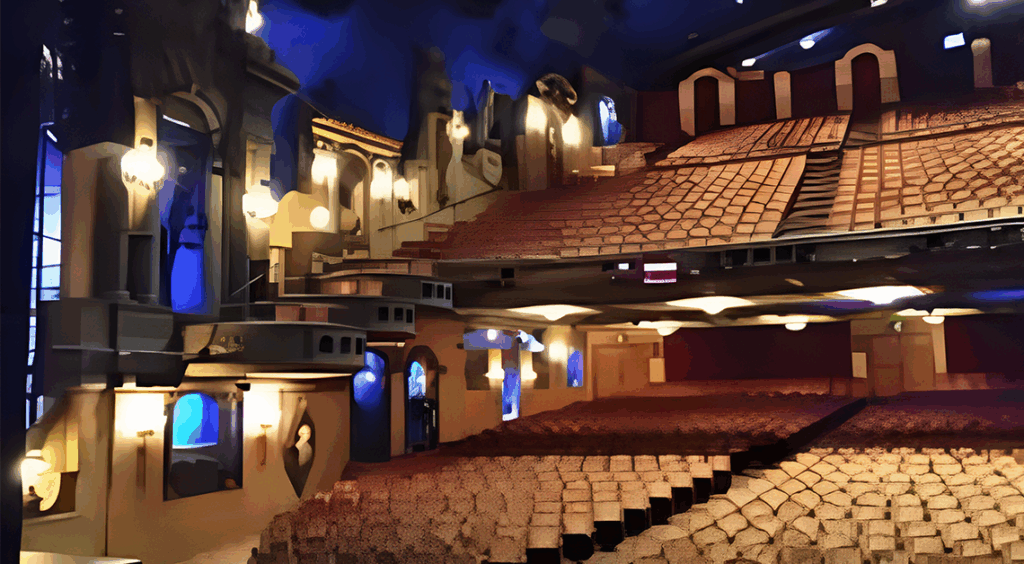
The Capitol Theatre stands as one of Australia's most celebrated cultural landmarks, a testament to the enduring magic of live entertainment and architectural brilliance. Situated in the heart of Sydney's Haymarket district, this historic venue has captivated audiences for nearly a century, hosting some of the world's most prestigious productions and performers. Whether you are a theatre enthusiast, a first-time visitor, or someone planning an unforgettable evening out, understanding what makes the Capitol Theatre so special will enhance your appreciation of this extraordinary space.
A Journey Through Time: From Market to Theatrical Grandeur
The Capitol Theatre's story is one of remarkable transformation and adaptation. The building's origins date back to 1892, when it served as the New Belmore Markets, a bustling produce distribution hub for Sydney's growing population. This utilitarian beginning seemed an unlikely prelude to one of the city's most elegant cultural institutions. However, architectural vision and changing community needs reshaped this space into something far more enchanting.
Between 1913 and 1916, the building underwent its first major transformation. The old market structure was creatively repurposed into the Hippodrome, a circus venue featuring arena-style entertainment. The building's distinctive arched facade, which had characterised the original markets, was ingeniously preserved and elevated above a new ground storey. This preservation of architectural elements became a hallmark of the building's evolution and demonstrated how heritage could adapt to serve new purposes.
The most significant chapter in the Capitol's history began in 1927 when Union Theatres commissioned American architect John Eberson to design the interior as an atmospheric theatre. Opening its doors on 7 April 1928, the Capitol Theatre emerged as Australia's first atmospheric theatre, transforming the cinema experience. John Eberson, an Austrian American architect celebrated for designing more than 500 theatres worldwide, brought his visionary approach to the Capitol. Working alongside local architect Henry Eli White, Eberson created an interior designed to transport patrons to an imaginary Italian garden or piazza.
The Magic of Atmospheric Theatre Design
The atmospheric theatre movement represented a revolutionary approach to theatre design during the 1920s. Rather than creating a purely functional viewing space, atmospheric theatres sought to immerse audiences in a carefully curated ambience through elaborate architectural details and innovative lighting. The Capitol Theatre exemplifies this concept beautifully.
Upon entering the theatre, visitors are greeted by highly decorative interiors adorned with tapestries, bas-relief sculptures and statues. The most striking feature is the auditorium ceiling, painted a deep Mediterranean blue and embellished with stars and celestial imagery. Strategically positioned lights play across the ceiling, creating the illusion of gazing up at a night sky, as though audiences were sitting in an open-air amphitheatre beneath the Italian heavens. This theatrical effect, combined with ornate plasterwork featuring geometric patterns in yellow, gold, green, orange, red and silver, creates an atmosphere that transcends the ordinary cinema experience.
The Capitol Theatre's design has been recognised for its exceptional quality. Heritage Victoria describes the venue's avant-garde design as extremely unusual in the realm of theatres and cinemas worldwide and a technical triumph. This recognition reflects the building's significance not only to Sydney but to international theatre architecture. The Capitol Theatre was added to the National Register of Historic Places in 1984, cementing its status as a national heritage landmark.
Modern Excellence Meets Historic Charm
Throughout the 1930s and 1950s, the Capitol Theatre served primarily as a cinema, showcasing the latest films to enthusiastic Sydney audiences. However, the late 20th century brought challenges. By the 1970s, changing entertainment preferences and the evolution of the theatrical landscape threatened the Capitol's future. The venue temporarily closed in 1983, gradually deteriorating as its fate remained uncertain. Despite its financial struggles, the building's heritage significance was officially recognised through conservation orders, protecting it from demolition.
In 1989, the City of Sydney sought expressions of interest from developers willing to restore and conserve the Capitol Theatre. After years of uncertainty, comprehensive restoration began, representing a major undertaking costing approximately $ 35 million. Fletcher Construction led the project, completing the extensive works five months ahead of schedule. The theatre reopened on 24 January 1995, restored to its former splendour and equipped with modern technical facilities suitable for contemporary theatrical productions.
The restoration project skilfully balanced heritage conservation with modern requirements. While the atmospheric auditorium's original fabric was preserved and celebrated, the project also incorporated new backstage technical areas, an extended stage, a rebuilt fly tower and an expanded foyer. The stalls' floor was reconstructed with improved raking to enhance sight lines, ensuring every patron enjoys an optimal viewing experience. These enhancements transformed the Capitol into a first-class contemporary venue without compromising its historic character.
The Venue Today: Where Theatre Magic Happens
Today, the Capitol Theatre operates as one of Sydney's premier commercial theatres, managed by Foundation Theatres. The venue has a seating capacity of 2,094, arranged across three levels: the stalls, dress circle, and boxes. The theatre's technical specifications reflect its world-class status, with a proscenium opening of 15.2 metres and sophisticated lighting and sound systems capable of supporting the most demanding productions.
The stalls seating is positioned at stage level. It gradually inclines from Row B onwards, ensuring audience members throughout the section enjoy eye-level sightlines around Rows E through G. This thoughtful design eliminates the sensation of looking downward at performers, maintaining an intimate connection between audience and performers. The dress circle, positioned approximately 16.5 metres from the stage, offers an elevated perspective that enhances the viewing experience.
The theatre features five bars located throughout its foyers, allowing patrons to enjoy pre-show and interval refreshments in elegant surroundings. The venue's famous chocolate-covered ice creams, known as choc-tops, have become an iconic part of the Capitol Theatre experience. For patrons with specific accessibility requirements, the theatre provides hearing-loop facilities at designated seats, ensuring everyone can fully participate in the theatrical experience.
A Showcase for World-Class Entertainment
The Capitol Theatre has earned its reputation as a premier destination for performing arts. Over the decades, the venue has hosted internationally acclaimed productions including The Lion King, Wicked, Les Misérables, Miss Saigon, Priscilla Queen of the Desert and Mary Poppins. Contemporary productions continue this legacy, with The Book of Mormon currently captivating Sydney audiences.
Beyond musicals, the Capitol Theatre welcomes ballet companies, operatic performances and concert productions. Renowned performers, including Diana Ross, Blondie, the Paris Opera Ballet and the Bolshoi Ballet have graced its stage. The venue's technical infrastructure accommodates orchestras of varying sizes, from 30 to 110 musicians in the orchestra pit configuration.
Planning Your Capitol Theatre Visit
For those planning to attend a performance at the Capitol Theatre, the venue's location in Haymarket offers excellent accessibility via public transport, taxi or private vehicle. The theatre's box office operates Monday through Friday from 9 am to 5 pm, with extended hours on weekends when performances are scheduled. Ticketmaster operates a dedicated booking line at 1300 558 878 from 9 am to 5 pm daily.
When selecting seats, the Capitol Theatre offers virtual tours of both the stalls and the dress circle, allowing you to assess sight lines before purchasing tickets. The theatre provides accessible performances, including audio description and Auslan-interpreted shows, ensuring inclusive access to entertainment for all patrons.
Frequently Asked Questions
What makes the Capitol Theatre architecturally significant?
The Capitol Theatre is one of only two surviving picture palaces from more than 20 constructed in Sydney's CBD during the 1920s and 1930s. Its status as Australia's first atmospheric theatre, combined with its exceptional design by John Eberson, makes it unique. The Mediterranean-inspired interiors and celestial ceiling make it a technical and aesthetic achievement of international significance.
How can I determine which seats provide the best viewing experience?
Stalls seating positions you at stage level with optimal sightlines from approximately Row E onwards. Dress circle seating offers an elevated perspective approximately 16.5 metres from the stage. Virtual seat tours on the Capitol Theatre website help you assess specific sight lines before booking.
Are there restrictions on photography or recording during performances?
Photography and recording are typically restricted during performances to respect performers' rights and maintain the immersive experience. The Capitol Theatre prohibits recording, and professional photography requests should be directed to the box office.
What accessibility services does the Capitol Theatre provide?
The theatre provides hearing-loop facilities at designated seats for patrons with hearing aids. AUSLAN interpreted, and audio-described performances are regularly scheduled. Specific seating recommendations are available for visually impaired patrons based on individual needs.
How far in advance should I purchase tickets for popular productions?
Popular productions often sell out, especially for weekend performances and during school holidays. Booking several weeks in advance increases your chances of securing preferred seating. Ticketmaster and the Capitol Theatre website provide real-time availability.
_____________
Discover captivating stories about extraordinary venues, cultural landmarks and experiences that inspire at Inspirepreneur Magazine.

At Inspirepreneurs Magazine, covering entrepreneurship, business failures, and the human stories behind the world's most ambitious founders. She writes at the intersection of strategy and storytelling.