


Taxpayers Funding Boats To Return Illegal Fishers
Synopsis
Australian taxpayers have funded boats used to return illegal fishers to their home countries under a government program that had not been widely disclosed. Federal agencies have been buying and modifying commercial fishing vessels, saying it’s needed to crack down on illegal fishing that hurts local operators and marine ecosystems. But critics argue the program is too secretive, offers little public information, and doesn’t explain how much it costs. Industry groups and environmentalists are urging the government to tighten oversight and outline a clearer long-term plan as illegal fishing remains a problem. Parliament is expected to examine the program as debate grows over its effectiveness and management.
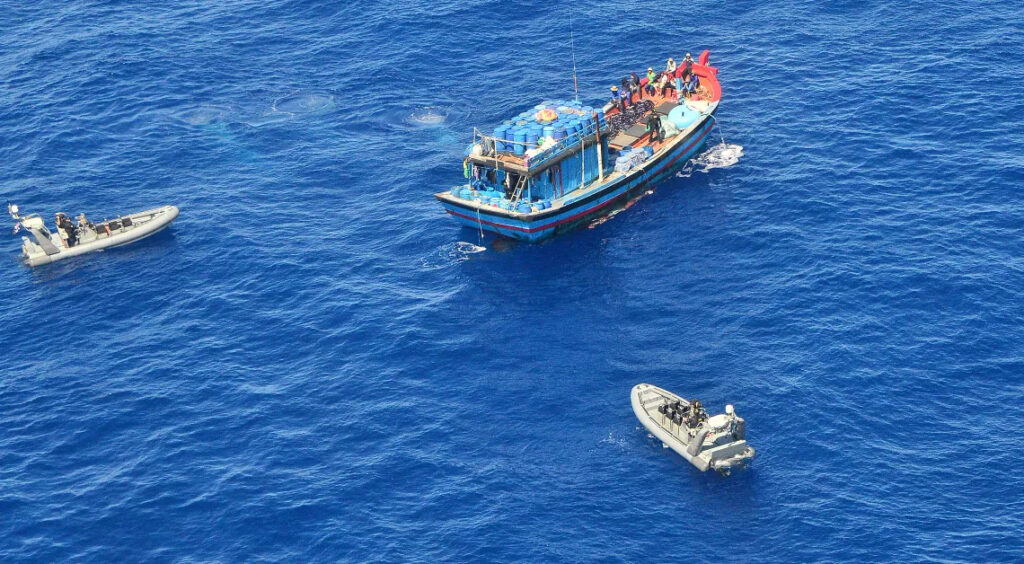
Australian taxpayers have funded fishing boats used to send foreign fishers back home, a practice that has sparked debate as new reports reveal previously undisclosed government involvement.
Australian authorities have been paying for fishing boats to return foreign fishers to their home countries, according to people familiar with the process. Some of the boats, bought and refitted by federal agencies, are used with limited public disclosure in illegal fishing cases. Fishermen and industry experts say they are concerned about public money being used this way, especially as illegal inshore fishing continues to grow. Authorities say the program is intended to protect local fishers and waters, but critics question how open it really is and what the true cost to taxpayers might be.
Government’s Secretive Boat Program
The Australian Border Force, along with other federal agencies, has been buying and refitting commercial fishing boats that are reportedly used to send people caught illegally fishing in Australian waters back to their home countries. These boats are said to be handed over to the fishers themselves as part of the return process. The government says the approach helps protect Australian waters and curb illegal inshore fishing, which has damaged marine environments and hurt local fishing businesses. But whistleblowers and recent reports say the public still knows very little about the size, cost, or procedures of the program, prompting concerns about transparency and oversight.
Impact On Local Fishers And Marine Environment
Illegal foreign fishers have been accused of taking large illegal catches that hurt fish stocks and cut into the livelihoods of local fishers. Many Australian fishermen say they’re now seeing more competition and fewer fish because of these activities. The government’s repatriation boat program is meant to address the problem, but environmental groups and people in the fishing industry question whether it’s enough to curb illegal fishing. Conservationists add that stronger, more coordinated action, from tougher enforcement to better community support, is needed to protect marine life and local coastal economies.
Transparency And Future Oversight
Demands for more openness about the government-funded boat program have grown after reports that much of it has been kept from public view. Opposition MPs and advocacy groups want the government to reveal the costs, explain how the scheme works, and show whether it’s delivering results. The government says national security limits what it can disclose, but says it will tighten oversight. Inquiries and audits are expected to look into public concerns and assess how effective the program is. The issue has sparked concerns about border security, how Australia manages its waters, and where taxpayer money is actually going.
___________
Explore more Australian news on Inspirepreneur Magazine.

At Inspirepreneurs Magazine, covering entrepreneurship, business failures, and the human stories behind the world's most ambitious founders. She writes at the intersection of strategy and storytelling.
You Might Also Like

French Prime Minister Backs Freezing Macron’s Pension Reform to Save the Government

Reddit Prepares Legal Fight Against Australia’s Age Ban
