





Cars
Why the Global EV Price War Matters to Australian Car Buyers (2026)
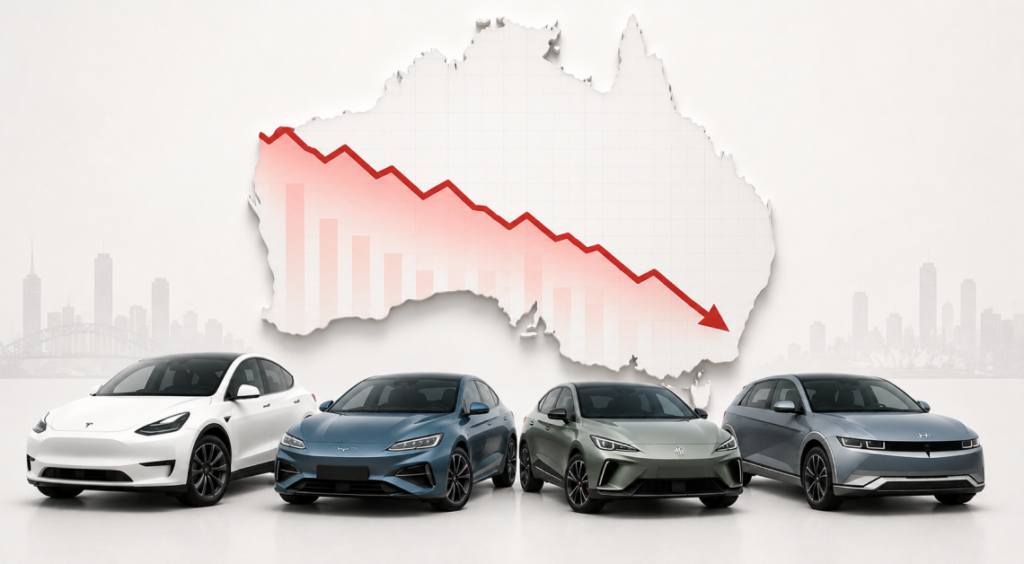
Australia's electric vehicle market is changing rapidly as a global EV price war drives prices lower and increases competition. Chinese brands such as BYD, MG and GWM have introduced more affordable models, making EV ownership accessible to more Australians. Record EV sales, rising fuel prices and growing model availability are encouraging more drivers to consider switching. While the biggest price cuts may already have occurred, buyers continue to benefit from greater choice, lower running costs and tax incentives. The shift is reshaping Australia's automotive market and changing how consumers approach car purchases.
Not long ago, buying an electric vehicle in Australia meant spending north of $50,000 and accepting that your options were basically Tesla or nothing. That's changed more sharply than most people expected, and the reason has less to do with Australian policy than with a price war playing out between car manufacturers on the other side of the world.
Here's what that actually means for anyone buying a car in Australia right now.
Where This All Started
Chinese car manufacturers spent years building EV production at a scale that's genuinely hard to grasp. They got so good at it, so fast, that they ended up making more cars than the Chinese market could absorb. So they started selling overseas, pricing low enough to buy market share quickly in new markets.
The United States put up 100% tariffs on Chinese EVs. Europe did something similar. Australia didn't, which means brands like BYD, MG and GWM walked into this market and started competing without a price handicap. Nobody planned it as a consumer win, it just worked out that way.
What's Actually Happened to Prices
Three years ago you could not find a car for under $50,000. Now the BYD Dolphin costs around $29,990. The MG4 is $30,000 to $40,000.These cars, the BYD Dolphin and the MG4 are really good. They have a range of modern features and good safety ratings that do well in tests that are not done by the companies themselves.
Here are some cars and what they cost:
| Model | Starting Price (Approx.) |
| BYD Dolphin | ~$29,990 |
| MG4 | ~$30,000–$40,000 |
| GWM Ora | ~$35,000–$40,000 |
| BYD Atto 3 | ~$40,000+ |
| Tesla Model 3 | ~$50,000+ |
It is not just the car companies that have lowered their prices. When BYD sells a car for under thirty thousand dollars other companies have to explain why their cars cost more. This has made all car companies lower their prices. The BYD Dolphin and other cars, like the MG4 have made the market more competitive.
What the Sales Numbers Actually Show
The sales data from March 2026 is the clearest sign yet of how fast things have shifted. A total of 15,839 battery electric vehicles were sold in March 2026, representing 14.6% of all new vehicles delivered, the highest monthly EV share ever recorded in Australia, up from just 7.5% in March 2025.
BYD recorded 7,217 sales in March alone, finishing third overall in the national market, its highest-ever brand ranking in Australia and has sold 17,541 vehicles in 2026 so far, already double its result from the first quarter of 2025.
A big part of what's driving the surge is petrol prices. The average price of diesel surpassed $3.00 per litre before the government cut the fuel excise, while 91-octane unleaded pushed past $2.50, driven by disruptions in the Middle East. When petrol costs that much, the maths on running an EV look very different very quickly. In New South Wales alone, nearly 4,000 new electric vehicles were registered in March — an almost 50% rise from February. Meanwhile, petrol vehicle sales fell 20.8% and diesel dropped 10.1% year-on-year in the same month.
How Australia Compares to Other Markets
| Market | EV Pricing Trend |
| China | Lowest prices globally — scale and intense domestic competition |
| Australia | Falling rapidly — open market, no tariffs on Chinese brands |
| Europe | Higher due to tariffs and regulations |
| United States | Higher due to 100% tariffs on Chinese EVs |
The irony is that countries most worried about Chinese EV competition have made EVs more expensive for their own consumers in the process. Australia has taken the opposite approach by default rather than design and buyers here are benefiting from it.
What This Means If You're Thinking of Switching
The financial case has become harder to dismiss. Running costs are genuinely lower, electricity is cheaper than petrol per kilometre, and EVs have fewer moving parts, which translates to lower servicing costs over time. For anyone doing serious kilometres each year, that adds up fast.
There are tax advantages worth knowing about too. The federal government's Fringe Benefits Tax exemption for eligible EVs salary-packaged through an employer can save thousands of dollars per vehicle per year compared to buying outright. If your employer offers novated leasing, it's worth running the numbers before assuming a standard purchase is the cheaper option often it isn't.
One Thing Worth Being Honest About
The biggest price drops have probably already happened. The BYD Dolphin isn't going to fall to $20,000 next year. Manufacturers are now balancing market share ambitions against the reality that they need to actually make money, and the pace of price cuts has slowed considerably from the dramatic drops between 2022 and 2024.
What will continue is choice. Australia now has over 100 EV models available, covering everything from small city cars to performance SUVs to commercial vehicles, with new entrants still arriving. The market is doing what most technology markets do: rapid early price falls, then slower, steadier improvement in value as the product range matures and fills out.
The window where EVs were for enthusiasts only is firmly behind us. Whether you're buying now or still watching, that much is pretty clear.
FAQ
What is the cheapest electric car in Australia now?
The electric car that is the cheapest in Australia is the BYD Dolphin. It starts at around $29,990. This makes the BYD Dolphin one of the affordable new electric cars for sale. The MG4 and the GWM Ora are also available for sale in the $30,000 to $40,000 range.
Are cars from China safe and reliable?
The major Chinese electric car brands that are sold in Australia like BYD, MG and GWM meet the Australian Design Rules. They have also done well in safety assessments that're independent. Most of these cars come with warranties that last for many years. However we do not have a lot of information about how some of the newer electric car models will work over a long period of time. This is something to consider when you are thinking about the price of the car.
How does the tax exemption work for cars?
If you get a car through your employer you do not have to pay a certain tax. This means that the cost of the car, the electricity to charge it and the charger itself can be paid for with money that has not been taxed yet. You can save a lot of money this way. The amount of money you can save varies but it can be a thousand dollars per year. This is a difference from buying the electric car in the usual way.
Will the prices of cars keep going down in Australia?
Yes the prices of cars will keep going down but not as fast as they have been. Most people who study this think that the prices will go down a bit at a time. They will not go down a lot all at once. This is because the companies that make electric cars want to make a profit that's sustainable. They are not just trying to get people to buy their cars by making them very cheap.
How did electric car sales do in March 2026?
Electric car sales were very good, in March 2026. A total of 15,839 cars were sold. This is 88.9% more than were sold in March 2025. Electric cars made up 14.6% of all the cars that were sold in Australia. This is the percentage that has ever been recorded in Australia for one month.
Follow Inspirepreneur Magazine for more explainers.