





Oil Falls After US-Iran Talks Calm Conflict Fears
Synopsis
The prospect of another large-scale conflict in the Middle East began to recede on Monday, and so did global oil prices. In the wake of productive talks with Oman, the U.S. and Iran have agreed to continue discussing Iran’s nuclear program. The news has also soothed investors who had been concerned that a war would close important shipping routes. For two key U.S. allies, the situation in Europe couldn’t be more different: India is taking a big step back from Russian oil as it closes in on a historic trade deal with the U.S., while European leaders plan even harsher sanctions on Moscow’s energy exports.
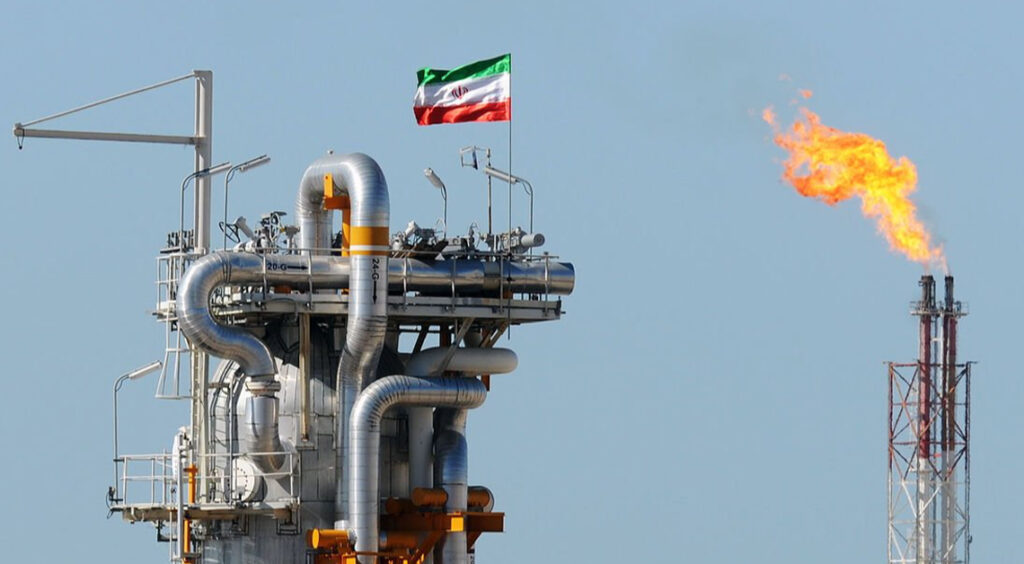
Global oil prices fell on Monday morning after investors reacted to a burst of diplomacy between the United States and Iran. Following talks mediated by Oman, both countries pledged to keep negotiating over Iran’s nuclear program. This progress sharply reduced the “risk premium” that had been keeping prices elevated, as fears of an immediate war in the Middle East began to ease.
Brent crude futures fell 89 cents to $67.16 a barrel, while U.S. West Texas Intermediate (WTI) dropped 91 cents to $62.76. Both benchmarks were down about 1.3%, reversing gains from late last week. Traders described the mood as a “sigh of relief,” with continued talks lowering the chance of a conflict that could disrupt the Strait of Hormuz, the crucial chokepoint through which roughly 20% of the world’s oil flows. Will the recent pullback in oil prices continue, or could new sanctions keep supplies tight?
India Looks to Reduce Reliance on Russian Oil
In another major development for energy markets, India’s largest refiners have begun avoiding Russian oil for April delivery. The move comes as New Delhi edges closer to finalising a landmark trade agreement with Washington. To help secure the deal, U.S. President Donald Trump recently lifted 25% tariffs on Indian goods after India committed to stopping Russian oil imports “directly or indirectly.”
Major Indian firms such as Reliance Industries and Bharat Petroleum are reportedly turning away offers from Russian traders. This is a significant setback for Moscow, as India has been the biggest buyer of Russian seaborne crude since 2022. By shifting back toward U.S. and Middle Eastern energy supplies, India is helping tighten the financial pressure on Russia.
Europe Suggests a ‘Full Ban’ on Russian Shipping
As India steps back, the European Commission is preparing what it calls a “strong signal” to Moscow. On Friday, Commission President Ursula von der Leyen proposed a 20th sanctions package that would introduce a full ban on maritime services linked to Russian oil.
If approved by all 27 EU member states, the measures would:
• Prohibit European companies from insuring or financing vessels carrying Russian oil.
• Add 43 more ships to Russia’s so-called “shadow fleet,” lifting the total number of sanctioned vessels to 640.
• Ban maintenance services for Russian icebreakers and LNG tankers, dealing a blow to gas export projects.
The aim is to make it extremely difficult for Russia to sell its oil at any price by cutting off access to the global shipping and insurance systems most tankers rely on.
U.S. Drilling Activity Edges Higher
While geopolitical tensions ebb and flow, the U.S. energy sector is showing signs of steady expansion. According to the latest Baker Hughes report, American companies added five drilling rigs last week, bringing the total to 551. This marks the third consecutive weekly increase, the longest growth streak since November.
Most of the new rigs are focused on natural gas, but the rise in oil rigs suggests producers remain confident enough in current prices to maintain output. Higher U.S. production could help cap global oil prices, even if supply disruptions emerge elsewhere.
Key Highlights
- Oil prices fell more than 1% after progress in U.S.-Iran nuclear talks in Oman.
- India is avoiding Russian oil for April deliveries to help secure a trade deal with the U.S.
- The EU proposed a 20th sanctions package, including a full ban on services for Russian tankers.
- U.S. drilling activity rose for a third straight week, with rig counts climbing to 551.
Follow Inspirepreneur Magazine for the latest global breaking news.
At Inspirepreneurs Magazine, covering entrepreneurship, business failures, and the human stories behind the world's most ambitious founders. She writes at the intersection of strategy and storytelling.


